Onebright
Onebright and Attensi built an inclusive training platform that enables business leaders, managers, and individuals to learn about mental health at their own pace.

AI-First Mental Health Training
Help managers, educators, staff and volunteers recognize the signs, start the right conversation and know where to refer. Practice-based training for workplaces, educational institutions and non-profits.
 99%
99%of users reported normal wellbeing after 10 weeks, up from 28%
 2000
2000Syrian teenagers helped in camps in Central Beqaa, Lebanon
15%average improvement in well-being (WHO-5) in pilot studies
 9%
9%of users reported needing support after playing, down from 61%


Customer STORIES
Onebright and Attensi built an inclusive training platform that enables business leaders, managers, and individuals to learn about mental health at their own pace.

Texas Tech University partnered with Attensi to implement an AI simulation during their symposium, providing students and professionals with an immersive training experience in a safe environment.
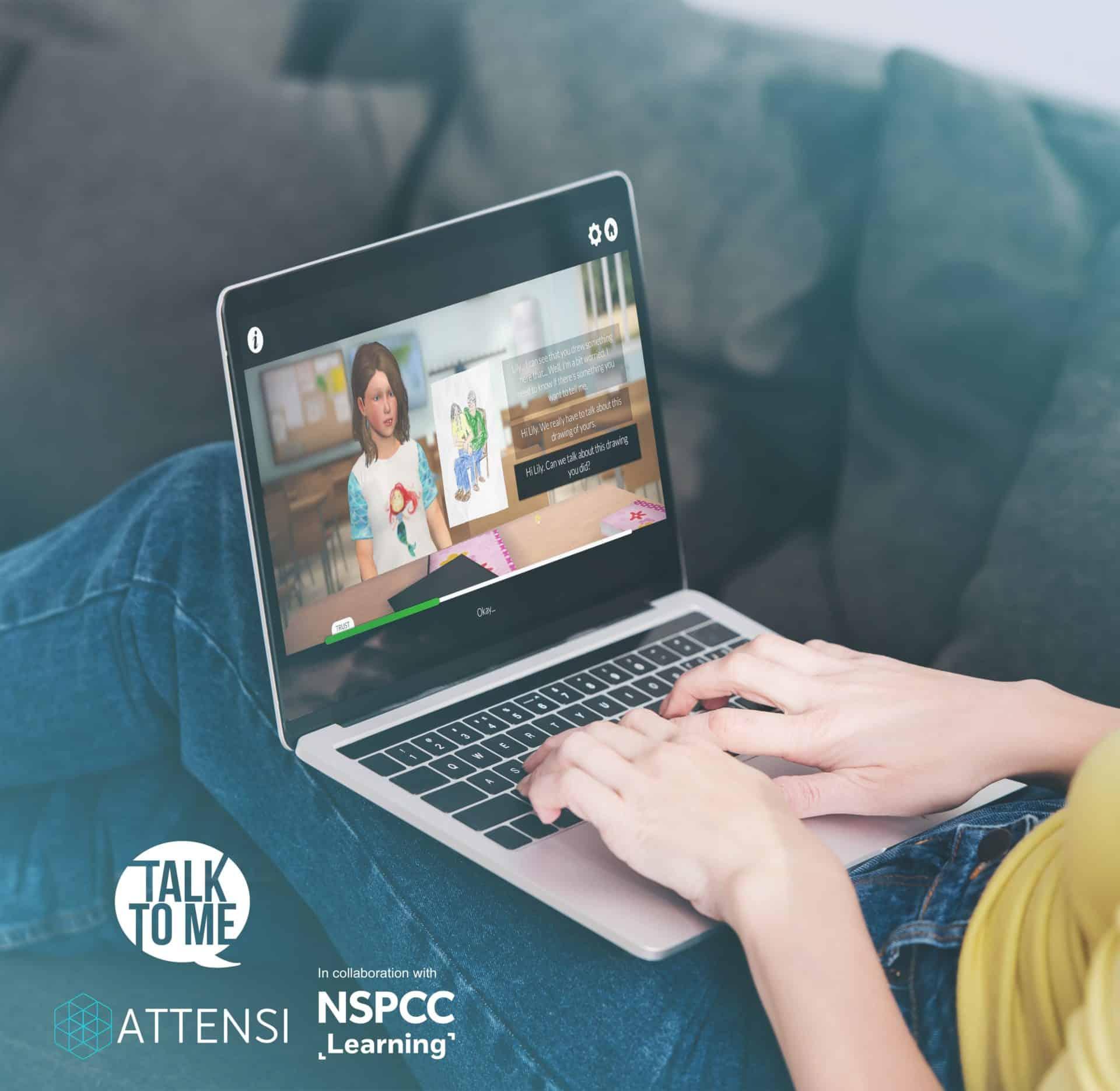
‘Talk to Me’ is a free, interactive training simulation designed to give adults the confidence to hold difficult conversations with children about abuse, built in collaboration with the NSPCC.
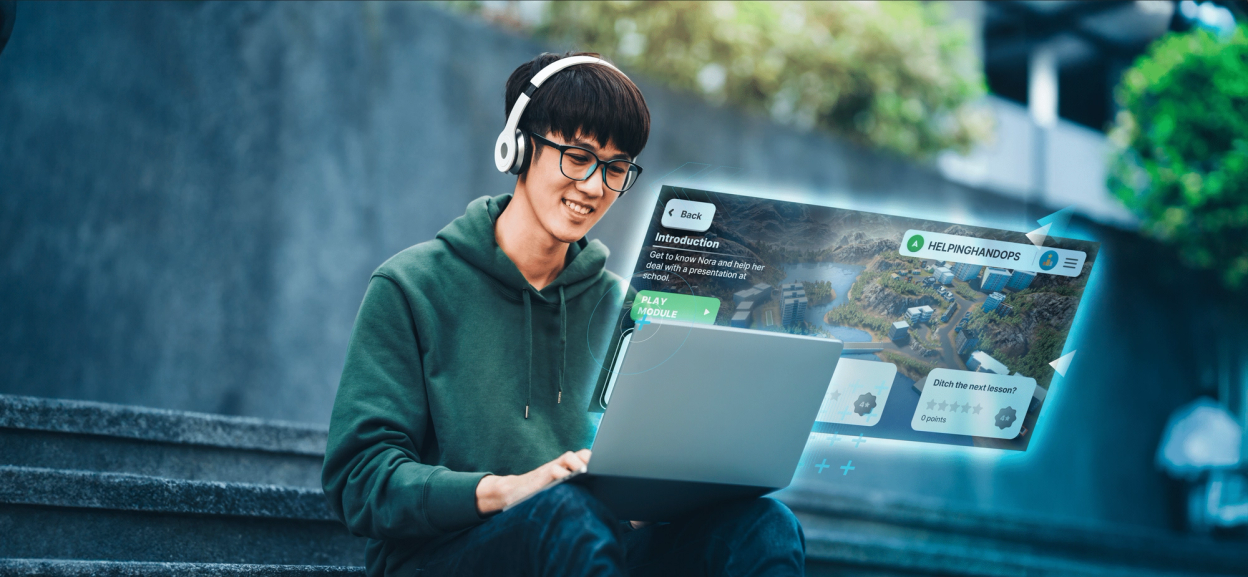
Helping Hand is a digital game focused on strengthening adolescents’ abilities to deal with mentally challenging situations, including anxiety, bullying and depression.
The Challenge

Whether it's a manager noticing a team member struggling, a lecturer worried about a student, or a support worker facing a child in distress, the moment to act often comes without warning. Most people want to help but hold back, afraid of saying the wrong thing. Awareness slides and e-learning explain the theory. They don't build the confidence to have the conversation when it counts.
The Solution

Realistic simulations and AI role-play let people practice difficult conversations in a safe space, where mistakes cost nothing and every attempt builds confidence. Training is built with subject-matter experts and tailored to your people, your policies and your support pathways, across:
For HR teams and managers, educators and students, and the staff and volunteers who support vulnerable communities.
How it works
We work with you and your experts to understand your challenges, roles and referral routes, then build scenarios that reflect the situations your people actually face.
Participants work through realistic scenarios in short sessions on any device, repeating them until the right response feels natural.
Insights and analytics show engagement, confidence and skill development across teams, sites and roles, so you can see the impact of your mental health initiatives and keep improving them.
NSPCC – Talk to Me
Built with child protection experts at the NSPCC, Talk to Me is a free simulation that gives adults the confidence to have difficult conversations with children about abuse.
Platform features
The tools organizations need to build mental health confidence at scale, and prove it's making a difference.

Lifelike scenarios built with subject-matter experts, so people can practice responding to real mental health situations in a safe environment.
Practice sensitive conversations with characters that respond naturally to what people say. Try different approaches and repeat until the right response feels natural.

Available on iOS and Android. Short sessions people can complete on their own devices, whenever suits them, with no classroom or trainer required.

Training delivered in over 50 languages, so every employee, student and volunteer can learn in their own language.

See engagement, confidence and skill development by team, site or role, and track the impact of your mental health initiatives over time.

Connects with Workday, Docebo, Cornerstone, and other leading LMS and HRIS platforms via SSO and SCIM. No rip-and-replace required.
Customer Success

From planning to full rollout — and everything in between — you have a dedicated team that works alongside yours.
Explore training built for your reality — and designed to drive performance where it matters most.
Frequently asked questions
Can't find what you're looking for? Talk to our team.
It gives people the knowledge and skills to recognize when someone may be struggling, respond with empathy and point them to the right support. Attensi's training focuses on practice rather than theory, so participants rehearse real conversations until they feel confident having them.
Anyone who may need to support others, including managers and HR teams, teachers, lecturers and campus staff, students acting as peer supporters, and non-profit staff and volunteers. Each group gets scenarios built around the situations they're most likely to face.
AI role-play lets people practice sensitive conversations with characters that respond naturally to what they say, without needing a trainer or actor in the room. Participants can try different approaches, see how the conversation unfolds and repeat it as often as they need, in a space where getting it wrong has no consequences.
No. The training builds the confidence to notice, listen and refer. It complements your existing wellbeing services, counselling and referral pathways, and can be built around the specific resources your organization offers.
Yes. Scenarios, language and referral routes are built around your policies, your people and your sector, and can be developed with your own subject-matter experts, as with our work alongside the NSPCC and Onebright.
Insights and analytics show participation, repetition and performance across scenarios, broken down by team, site or role. This gives you evidence of skill development that goes well beyond completion rates.
See it in action
Find out how organizations, educational institutions and non-profits use Attensi to build mental health confidence, support wellbeing, and measure the impact of their initiatives.