
 Insights
September 26, 2026 · 6 min read
Insights
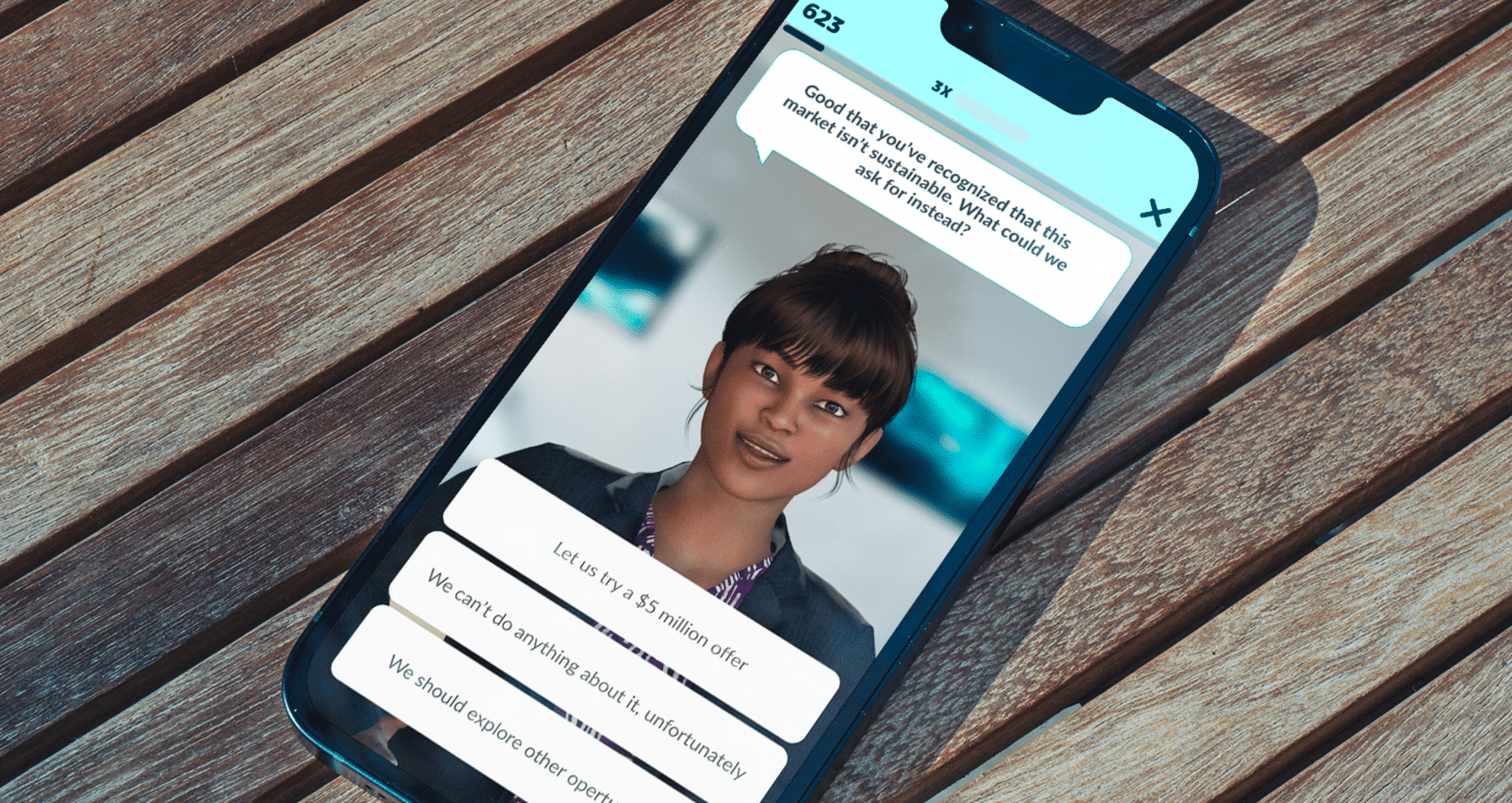
Mobile learning, also known as mLearning, lets employees train on the go – on a phone, tablet, laptop or other device.
Most people are rarely far from their phones, so this style of training works for Gen Z, millennials and baby boomers alike.

Attensi Team
Published · Updated
You need to be where your people are, and they’re on their mobile devices. This means you can make your learning and development more accessible and more effective than ever.
There’s a wide range of mobile learning formats out there, including:
If you can do it on a mobile device away from the workplace, it’s mobile learning. Often paired with microlearning, mLearning is usually short, snappy and packs a punch.

When one of the most common reasons for leaving a job is a perceived lack of progression or development, you can’t afford to ignore the increasing popularity of mLearning.
Gone are the days of being confined to a conference room wading through lengthy documents. Whether it’s on planes or trains, your people are ready and waiting for this kind of engaging and impactful learning and development, and they’re ready to do it anywhere.
Your organization has a real opportunity to develop its employees to be confident and capable through the use of mobile-based learning.
Think about how you can use mLearning as part of your wider employee enablement plans.
Your teams will have the ability to access their training anywhere at any time. This gives them the power to play in a safe space, and repeat things as many times as they need until they’ve achieved mastery. Another benefit is that all learners have access to the same consistent training, whether they are learning in London or Lima.
Accessible, engaging mobile learning is a great way to drive engagement and, ultimately, improve completion rates, knowledge retention and employee confidence.
Mobile is an ideal format for bitesize learning. And bitesize learning (modules of 2–10 minutes) can have a direct impact on how well teams retain what they learn.
Psychologist Hermann Ebbinghaus’s Forgetting Curve shows that we forget much of what we learn within days unless it’s reinforced. Short mobile modules make that reinforcement easy – learners can revisit and practice little and often, wherever they are.
One of the biggest benefits of mobile learning is how active it requires your participants to be. Where traditional training methods may have been more passive, mobile learning – particularly when you use game and quiz formats – encourages learners to take an active role in their development.
Leaderboards and collaborative features also encourage your teams to get social and competitive. The more competitive they are, the more driven they are to repeat modules until they come out on top – and that repetition is what has the biggest impact on both completion and knowledge retention.
InsightsSeptember 26, 2026 · 6 min read
 Insights
September 26, 2026 · 7 min read
 Insights
September 23, 2026 · 7 min read
 Insights
September 23, 2026 · 5 min read